
Staying Active Along the Wild Atlantic Way
Walking trails, outdoor activities, and practical tips for maintaining fitness and exploring Ireland's coastal landscapes in your 60s and beyond.

Seamus O'Sullivan
Senior Retirement Wellness Coach & Content Lead
Certified retirement coach with 14 years' experience in senior wellness and community engagement across Ireland.
Why the Wild Atlantic Way is Perfect for Active Retirees
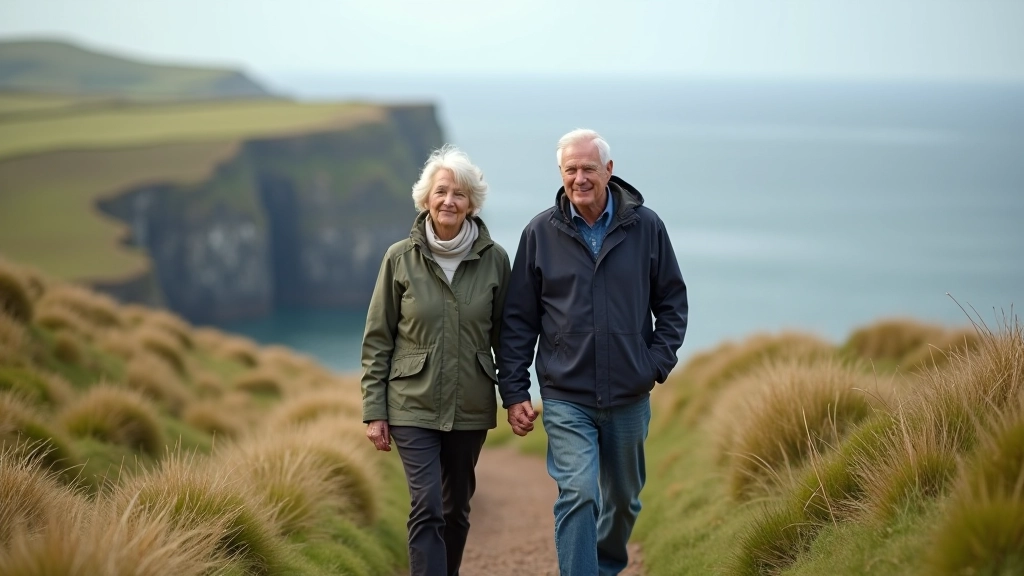
The Wild Atlantic Way stretches 1,600 kilometers along Ireland's western coastline. It's not just beautiful — it's genuinely accessible for people in their 60s, 70s, and beyond. We're not talking about scrambling up mountains. We're talking about coastal walks where you can set your own pace, stop whenever you need to, and enjoy some of the most stunning views you'll find anywhere.
What makes this route so appealing for retirees is the variety. You've got everything from gentle riverside paths to dramatic cliff-edge walks. Most sections have parking areas, rest spots, and local cafes. That means you can be flexible. Some days you'll do a longer walk. Other days you'll take it easy. There's no pressure to conquer the whole thing.
The Real Benefits of Regular Walking
Walking 30-45 minutes, 3-4 times per week, improves cardiovascular fitness, builds bone density, and strengthens the muscles that help prevent falls. Plus, you're outdoors. Fresh air, ocean views, and the rhythm of walking do things for your mood that no gym equipment can replicate.
Getting Started: Choose the Right Sections
The Wild Atlantic Way isn't one continuous footpath. It's a collection of scenic routes, beaches, and villages strung together. This is actually good news for you. It means you can pick the sections that suit your fitness level.
1 Start in West Cork
Inchydoney Beach near Clonakilty has a gorgeous 2-kilometer loop. Flat terrain, parking right there, and a good café at the end. Perfect for building confidence before tackling longer routes.
2 Explore the Dingle Peninsula
Slea Head has multiple walks ranging from 30 minutes to 2 hours. The shorter routes give you the same stunning clifftop views without the exhaustion. Most walkers do 45-60 minutes here.
3 Try County Clare's Burren Walks
The landscape here is unique — rocky, otherworldly, but manageable. Doolin offers gentle coastal walks with village amenities nearby. You're not isolated if you need to rest.
Practical Tips That Actually Work
Here's what we've learned from working with hundreds of people over 60 who're staying active along this route.
Invest in Proper Walking Shoes
Not trainers. Proper walking shoes with ankle support and good grip. Waterproof if possible — you're in Ireland. Budget €100-150 for something decent. Your knees and ankles will thank you after 2 kilometers of coastal paths. Merrell and Salomon make reliable options that won't cost a fortune.
Bring Layers, Not a Heavy Coat
The Atlantic wind is unpredictable. You might start in sunshine and hit fog 20 minutes later. Wear a base layer, a fleece, and a lightweight windproof jacket. You can peel layers off or add them as needed. This approach works better than a single thick coat.
Plan Your Route Around Rest Spots
Don't just pick a walk by distance. Research where the benches are. Where can you grab water or coffee? Most villages on the route have cafes. Building in a 15-minute rest break midway through a walk isn't weakness — it's smart planning. You'll enjoy the walk more and recover better.


Building Fitness Progressively
You don't start by hiking 8 kilometers. That's how people get injured and quit. Here's what a sensible progression looks like.
Two 30-minute walks on flat terrain. Just get your body used to regular walking. You're building the habit.
Three 45-minute walks. One can include gentle hills. Your cardiovascular system starts adapting now.
Four 60-minute walks with varied terrain. You're genuinely building fitness. This is sustainable long-term.
The key thing? Consistency matters more than intensity. Three walks per week, every week, beats one ambitious 10-kilometer hike once a month. Your body responds to regular stimulus, not occasional heroics.
Safety Considerations You Shouldn't Ignore
Weather Changes Fast
Coastal weather's unpredictable. Check the forecast, but don't rely on it completely. Always carry a windproof jacket and tell someone where you're walking and when you'll be back.
Keep Your Phone Charged
Carry a power bank. Remote coastal paths sometimes have no signal, but having a charged phone matters if something goes wrong. It's peace of mind.
Respect Cliff Edges
The views are stunning but stay on marked paths. Edges crumble without warning. It's not paranoia — it's common sense.
Bring More Water Than You Think
Dehydration sneaks up on you, especially in wind. Carry at least 750ml of water per hour of walking. It's not excessive — it's necessary.
Important Disclaimer
This article is educational and informational. It's not medical advice. Before starting any new exercise program, especially if you have existing health conditions, consult with your doctor or healthcare provider. Fitness levels vary greatly between individuals. The progression outlined here is a general guideline — your personal pace might be faster or slower, and that's completely normal. Walking on unfamiliar terrain carries inherent risks. Always prioritize safety, wear appropriate gear, and don't push beyond your comfort level.
The Wild Atlantic Way Isn't Just a Tourist Route
It's genuinely accessible for active retirees. You can walk at your own pace, enjoy incredible scenery, and build real fitness in the process. Start small. Build gradually. Respect the weather and the landscape. Do that, and you'll find yourself returning to these routes year after year.
The 60s and beyond aren't about slowing down entirely. They're about being intentional with your time and your body. The Wild Atlantic Way gives you the perfect setting to do exactly that. So lace up those walking shoes, grab a waterproof jacket, and get out there. The cliffs, the beaches, and the fresh Atlantic air are waiting.
Ready to explore more about staying active in retirement?
Get in Touch with a Wellness Coach