
Senior Wellness Coaching in Galway: Your Personal Guide
What to expect from one-on-one wellness coaching tailored for active retirees. Real examples of how coaching helps with mobility, confidence, and life satisfaction.


What Wellness Coaching Actually Is
Wellness coaching isn't like personal training where someone's shouting at you to do more reps. It's more conversational — a coach sits down and listens to what's happening in your life, what's working, what isn't. Then you work together on realistic changes that actually fit your daily routine.
In Galway, coaches who specialize in senior wellness understand that you're not training for competition. You're training for life. That might mean wanting to play with grandkids without knee pain, getting back to coastal walks you used to love, or simply feeling stronger in your everyday movements. These aren't small goals — they matter tremendously.
A good coach asks questions. Why do you want this change? What's stopped you before? What actually sounds enjoyable to you? Then they build a plan around YOUR answers, not some generic template.
The First Sessions: What to Expect
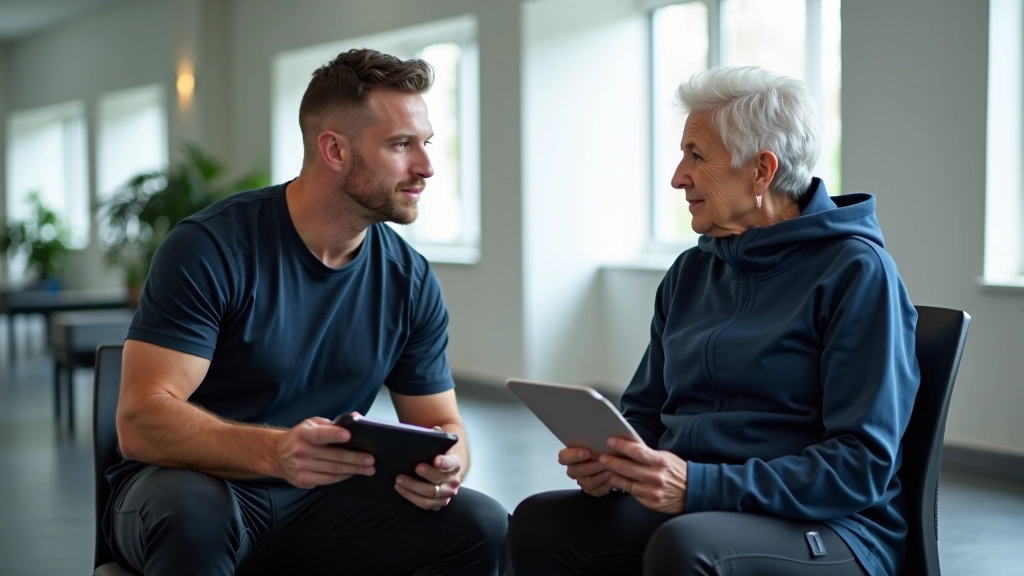
Your first appointment typically involves a detailed conversation. The coach will ask about your health history, any injuries or limitations, what you're currently doing for movement, and how you're sleeping, eating, and managing stress. It might feel like a lot of questions, but there's a reason — they're building a picture of you, not guessing.
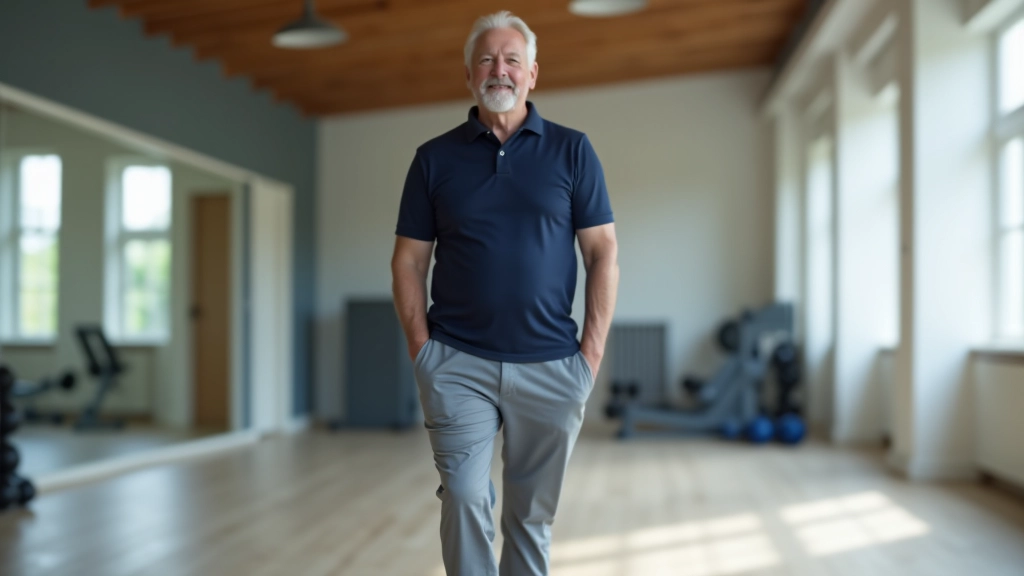
You'll probably do some simple movement assessments. Maybe you'll stand on one leg to check balance. Walk across the room to see your gait. Reach toward your toes to understand flexibility. Nothing dramatic — just observing how your body moves right now. This becomes your baseline.
Then comes the goal-setting conversation. If you say you want to walk the Salthill Promenade without stopping, that's the target. If you want to reduce lower back stiffness, that's the focus. Your coach translates that into a plan with specific steps over 4-6 weeks.
Real Changes Over Time
You won't feel dramatically different after one session. But after 3-4 weeks of consistent work, most people notice something. Maybe stairs feel easier. Maybe you sleep a bit better. Maybe your back doesn't complain as much when you bend down to garden.
Real Example
"Wasn't sure about coaching at first honestly. But after 6 weeks my knees felt stronger and I could actually walk to the pier without pain. Now I'm thinking about doing the Salthill loop twice a week instead of just once." — Michael, 68
Coaches track progress carefully. They'll retest your balance, range of motion, or walking endurance at 4-week marks. You'll see it in numbers — maybe you can hold a balance for 45 seconds instead of 20. Maybe you can do 10 proper squats when you could barely do 3. These aren't huge numbers, but they represent real capability in your daily life.


How Coaching Builds Confidence
Here's something people don't always mention: wellness coaching actually rebuilds confidence. When you've had an injury or spent years being cautious with your body, you lose trust in what you can do. You might avoid activities because you're genuinely worried something will hurt.
A coach helps you test your limits safely. You'll do movements in a controlled way, feel that they're okay, and gradually do more. It's confidence building through small wins. Your coach might say, "You can do that now," and you'll realize they're right. That matters.
"The biggest thing wasn't even the fitness. It was feeling capable again. My coach helped me understand I wasn't broken — I'd just gotten rusty."
Finding the Right Coach in Galway
Not all coaches are the same. Some specialize in sports performance. Others focus on post-injury rehabilitation. You want someone experienced specifically with older adults — someone who understands the unique needs of people 55 and up.
Check Credentials
Look for coaching certifications from recognized bodies. Many Irish coaches are certified through REPS Ireland or similar organizations. Don't be shy about asking.
Ask About Experience
How many clients over 60 have they worked with? What's their specialty? Have they helped people with your specific concerns?
Talk First
Most good coaches will chat with you briefly at no charge. See if they listen. Do they ask about your goals? Do they seem genuinely interested?
Assess Communication Style
You'll spend time with this person. Do they explain things clearly? Do they make you feel heard? That matters more than you'd think.
Important Note
This article is informational and educational only. It's not medical advice, and wellness coaching is not a substitute for medical care. If you have health conditions, injuries, or concerns about starting any fitness program, consult with your GP or healthcare provider first. Every person's body is different, and what works for one person may not be appropriate for another.
Taking the First Step
Starting wellness coaching is genuinely accessible. You don't need to be super fit or young. In fact, coaches work specifically with people who've been sedentary for a while, people with real limitations, people who want to improve their lives but aren't sure how. That's exactly what they're trained for.
If you're in Galway and thinking about this, the next step is simple: reach out to a coach you're curious about. Have that first conversation. Ask your questions. See if it feels right. Most people wish they'd started earlier, but you're starting now — and that's what matters.
Ready to Learn More?
Explore more resources about retirement wellness and active aging across Ireland.
Browse Wellness Guides